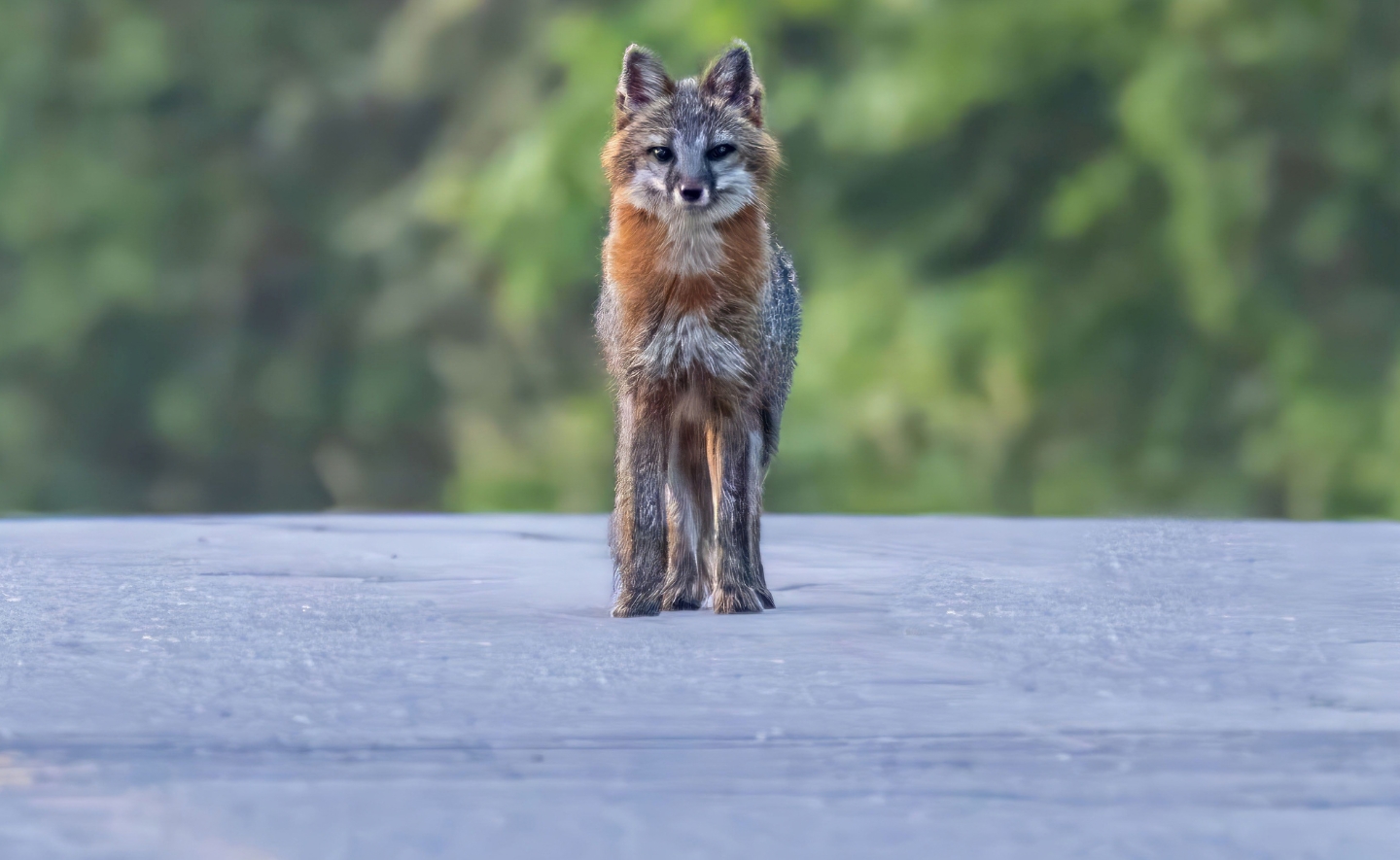

As temperatures cool and leaves change color, the outdoors offers countless opportunities to reconnect with nature and discover the wildlife that shares our public lands.
The best part? You don’t need to be a wildlife expert to get started.
Autumn is one of the most active seasons in the natural world, as animals prepare for winter by migrating to seasonal habitats, gathering food, or raising the last of their young before colder weather arrives.
For wildlife watchers, that means more opportunities to spot activity along trails, in wetlands, at local parks, and even in your own backyard. You might notice deer moving through woodlands at dawn, squirrels busily collecting nuts, waterfowl gathering along lakes and rivers, or butterflies starting their seasonal journeys south.
Wildlife watching isn’t about checking species off a list. It’s about paying attention. The more time you spend outdoors observing the natural world, the more you begin to understand how ecosystems are connected and why they deserve our care.
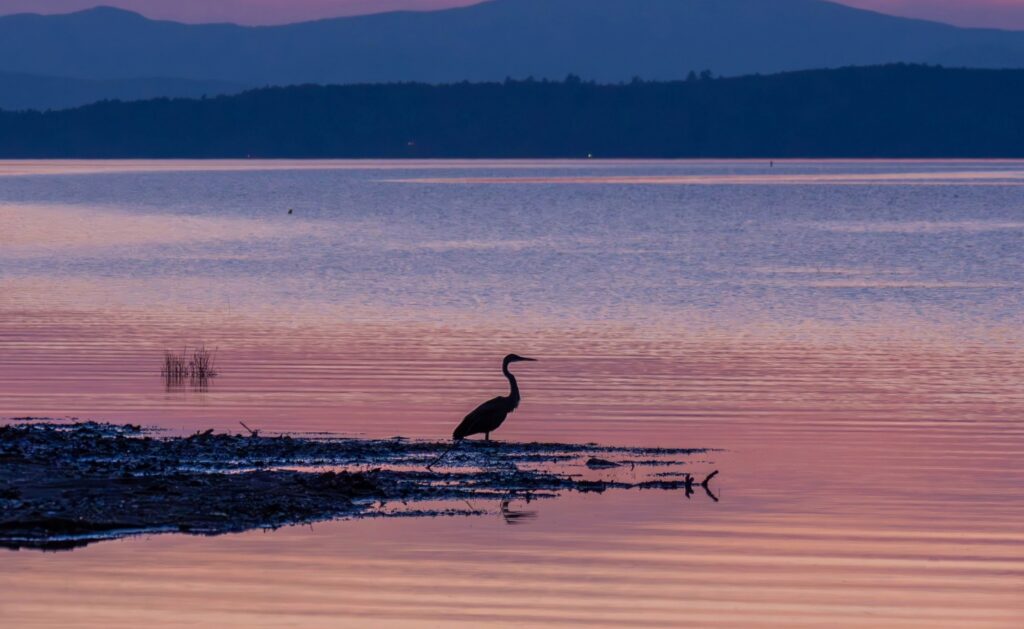
(Photo Credit: ITOS Photography)
One of the biggest misconceptions about wildlife watching is that you need specialized equipment or access to remote wilderness areas.
In reality, all you need is a willingness to slow down, spend time outside and observe.
Start by visiting a nearby park, trail, refuge or conservation area. Arrive early in the morning or later in the afternoon when wildlife is often most active. Walk quietly, minimize sudden movements, and give animals plenty of space.
Binoculars can help, but they aren’t required. Sometimes the most memorable wildlife encounters happen when you simply sit still and watch.
Bring a notebook or smartphone with a camera to record what you come across. Over time, you’ll begin to recognize patterns in animal behavior and seasonal changes in the landscape.
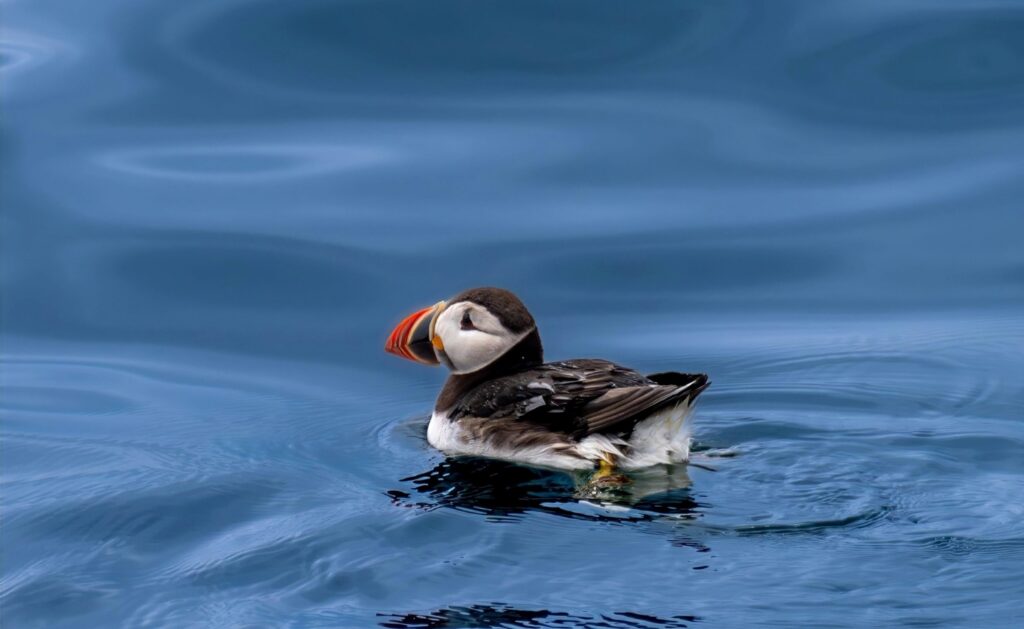
(Photo Crtedit: ITOS Photography)
Responsible wildlife watching begins with respect.
Keep a safe distance from animals, avoid feeding wildlife and stay on designated trails whenever possible. Remember that fall can be an especially important time for many species as they prepare for winter or complete seasonal migrations.
By minimizing your impact, you help ensure wildlife can thrive long after your visit ends.
If you’re planning to visit a public space such as a park that allows hunting, be aware that many hunting seasons occur in the fall across the country. Research local hunting seasons and review regulations for the areas you plan to visit, and consider wearing bright orange or other highly visible clothing to help ensure you’re seen by fellow outdoor recreationists.
These small actions reflect a larger conservation ethic: people and nature both benefit when we protect healthy habitats and steward public lands responsibly.

Members of the SCA’s Acadian Exploration Crew hiking Sargent Mountain at Acadia National Park. (Photo Credit: Shaun Crockett/The Bearded Mainer)
At the Student Conservation Association, we believe that meaningful conservation often begins with a personal connection to the outdoors.
For generations, SCA crew members have helped protect trails, restore habitats, improve access to public lands, and support the ecosystems that wildlife depend upon. Experiences in nature, whether spotting wildlife for the first time or volunteering on a conservation project, can inspire a lifelong commitment to stewardship.
This fall, consider taking a closer look at the natural world around you. Every observation reminds us why conservation matters and that healthy habitats don’t happen by accident.
When you support the SCA, you’re helping create opportunities for the next generation of conservation leaders while protecting the places where people and wildlife can thrive together.
Grab a jacket, head outside and see what you can discover. The season has a story to tell. All you have to do is look.
Support the SCA’s mission with a tax-deductible donation today. Your support helps empower young people to serve our environment while protecting the public lands, waters and the wildlife that make experiences like these possible for future generations of conservationists.

Protect What You Love widget on website
"*" indicates required fields