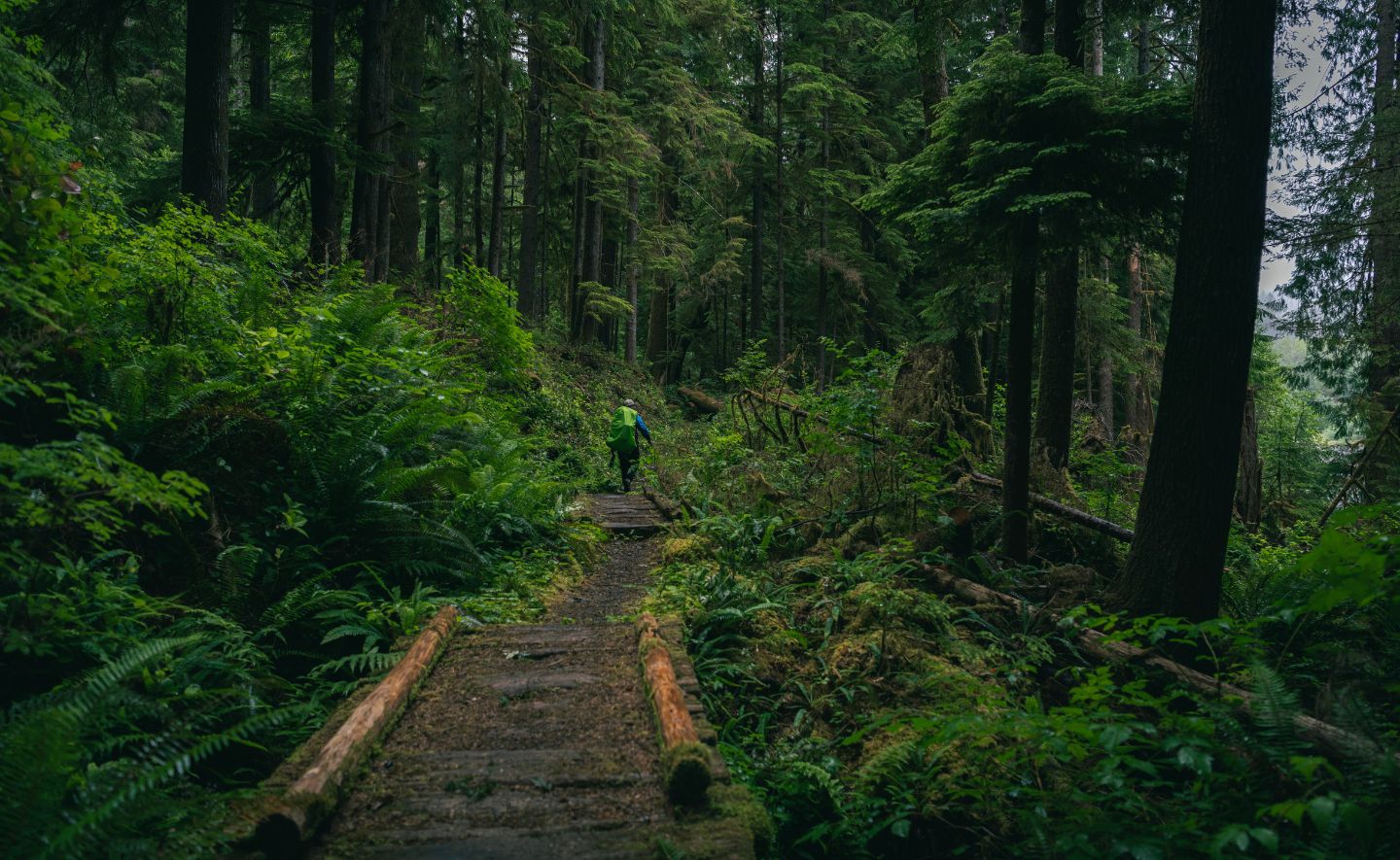

If our The Science of Slowing Down blog left you curious about trying forest bathing for yourself, you’re not alone. Many people feel drawn to the idea of stepping into the woods with no agenda, no pace to keep and no pressure to “do” anything.
While forest bathing is simple, that simplicity can feel unfamiliar and overwhelming, especially when our days are full, fast and noisy.
This guide is meant to help you begin. Think of it as an invitation to slow down, breathe and let the forest meet you where you are.
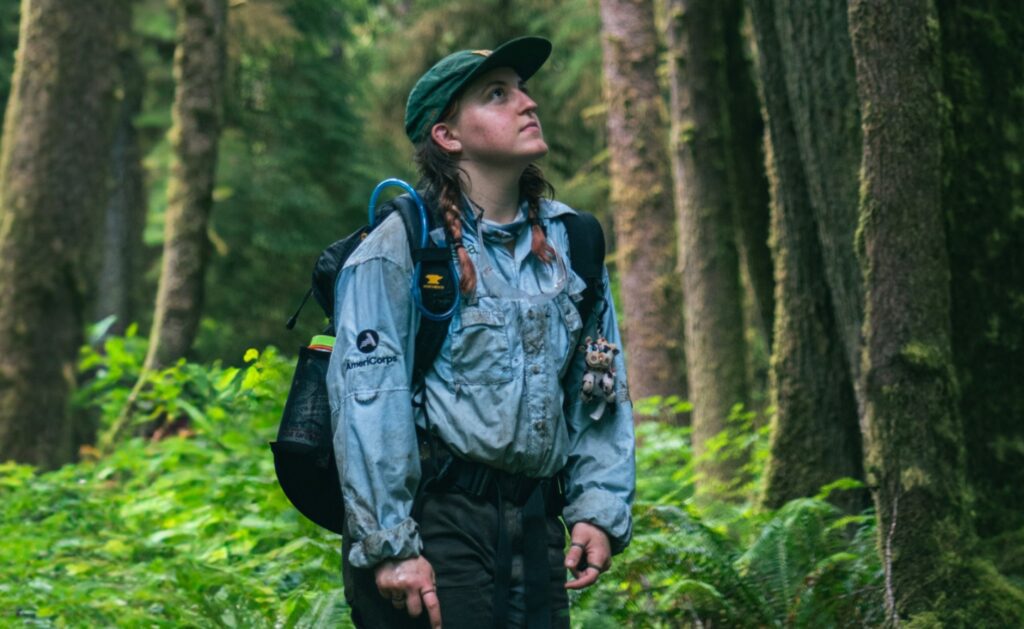
Forest bathing doesn’t require deep wilderness. A local park, a nature trail, or a quiet corner of public land is enough. What matters is that you feel comfortable lingering, listening and moving slowly.
“When people fully utilize their senses to explore the forest, they can find sounds, smells and textures that allow them to make deeper connections to past memories and their daily lives,” said Zach O’Dell, Park Interpreter at the Waterloo State Recreation Area in Michigan.
Choose a spot where you can sit with the sights, sounds, and smells around you.
You don’t have to leave your phone behind completely. For safety, it’s actually a good idea to bring it with you. Try using airplane mode or even set up a custom focus mode for your “do nothing” time.
Forest bathing is about shifting your attention from the digital world to the living one. Even a few minutes of uninterrupted quiet can change how you feel.
Forest bathing isn’t necessarily a hike, though it can involve movement. It’s not about distance or speed. Try walking at half your normal pace. Notice how your body responds when you’re not trying to get anywhere. O’Dell put it simply, “Forest bathing can be a type of hike – just explore with more than your eyes. Touch the moss, smell the soil, listen for the birds.”
It’s enough to let your curiosity guide your steps.
Try a 5-4-3-2-1 grounding exercise. Slowly inhale. Slowly exhale. Sit for a minute. Then, notice:
Paying attention to this sensory experience is the heart of forest bathing.
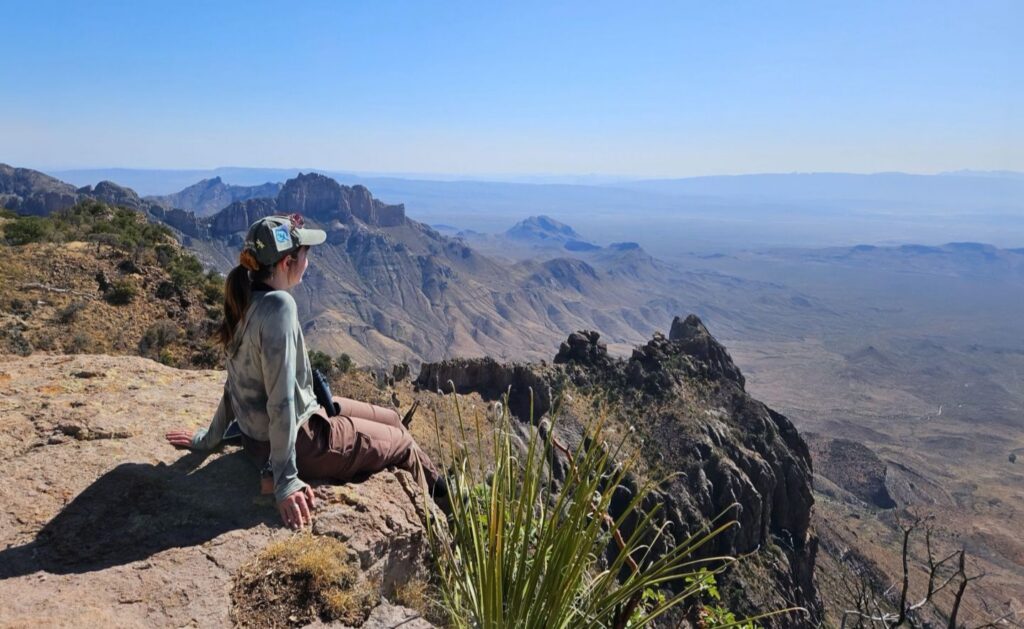
One of the simplest and most powerful practices is to sit quietly in one place for 5–10 minutes. No goal. No meditation technique. Just presence and noticing.
O’Dell has seen this transform even the most energetic and anxious visitors, “After doing an activity called a sit spot, many students are able to relax and fully engage with the forest around them, finding joy where they might have felt stress or fear beforehand.”
Let the forest come to you.
Public lands are shared spaces. As O’Dell reminds visitors to his public recreation area, “The people own the land. Their usage, access, and conservation work are vital to healthy forests and healthy people.”
Forest bathing is not just a personal practice. It’s a relationship with the places that restore us.
And with that comes the responsibility of caring for the places we love.
If forest bathing brings you calm, clarity or connection, you’re experiencing the impact of healthy, well-cared-for natural spaces. Members of the SCA work every day to maintain trails, restore habitats and ensure that everyone has access to the healing power of the outdoors.
If you’re able, consider supporting the work that makes these experiences possible.


Protect What You Love widget on website
"*" indicates required fields