
Summer has a way of calling us outdoors, toward trailheads, coastlines and quiet forests. Those places happen to be the kind of places the Student Conservation Association has been hard at work protecting the landscapes that shape our national history.
Let this summer’s travel plans be more than a series of stops. Journey through the parks where SCA crews have spent the last few years restoring trails, preserving history and safeguarding fragile ecosystems. These destinations offer not just beauty, but also a chance to see the SCA’s important conservation work in action.
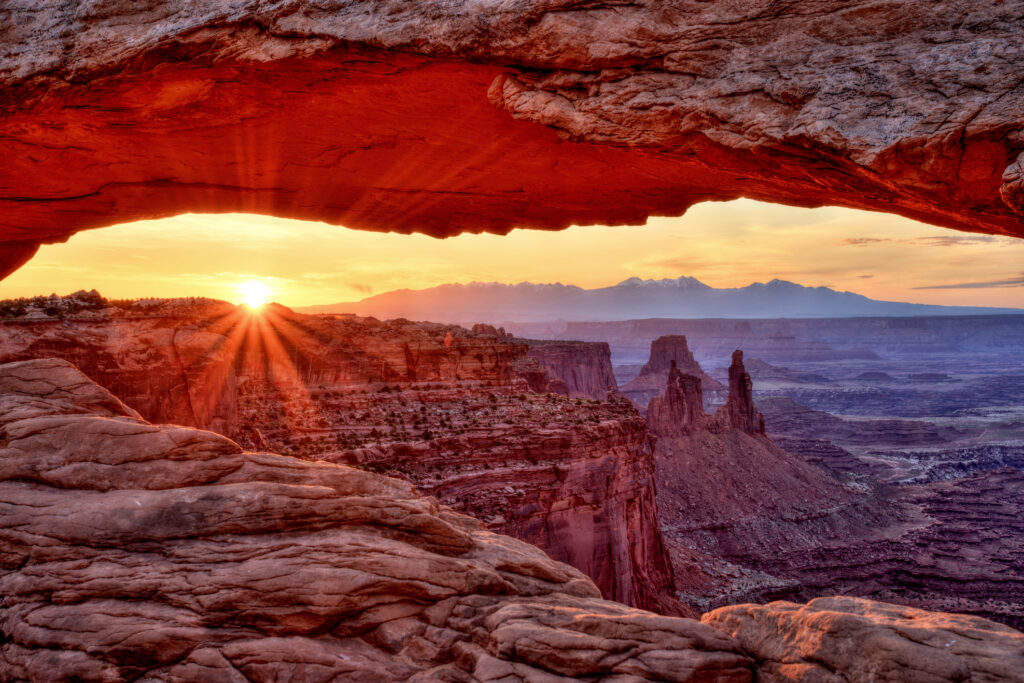
The Mesa Arch at sunrise at Canyonlands National Park in Utah. (Photo Credit: Roman Slavik)
In Canyonlands, the horizon feels endless. The Colorado and Green rivers carve a maze of canyons, buttes and spires so vast it’s hard to believe it’s real. The park has four distinct districts that, although they are inaccessible by roads and share similar desert ecosystems, each has unique opportunities for adventure and discovery.
As you watch the sun ignite the sandstone, think about the SCA crews who have rebuilt eroded trails, stabilized fragile soils and improved access to overlooks that help visitors understand the scale of this wilderness. It’s a place where stewardship feels both humbling and heroic.
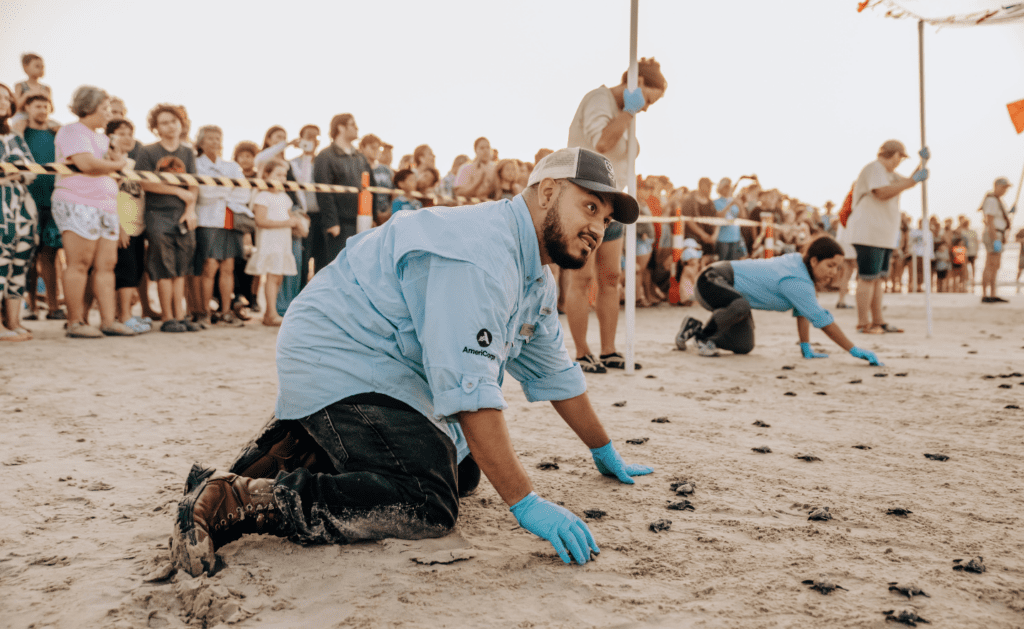
Former SCA Sea Turtle Recovery Intern Matthew Botello assisting National Park Service staff release the critically endangered Kemp’s ridley sea turtle hatchlings at Padre Island National Seashore.
Padre Island is the longest stretch of undeveloped barrier island in the world. Connect with the power of the wind and tides as they wander along its over 60 miles of wild shoreline. The seashore is also one of the most important nesting grounds for sea turtles. Visit between mid-June and August, and you may be lucky enough to watch a hatchling release.
While protecting the endangered Kemp’s ridley sea turtle, SCA crews have supported dune restoration and habitat protection here. Work that helps shield the coastline from storms and gives hatchlings a fighting chance.
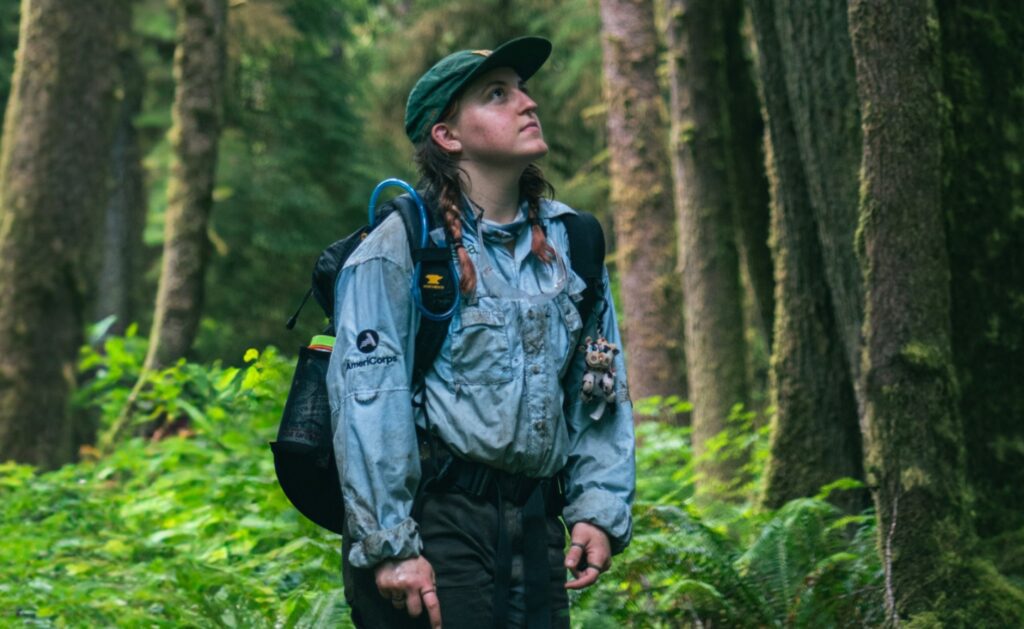
Olympic National Park is where SCA founder Liz Putnam first enlisted student volunteers to assist with the upkeep of U.S. National Parks in 1957, launching the Student Conservation Association. (Photo Credit: Rafeed Hussain)
Few places contain as much ecological diversity as Olympic National Park. Its glacier-capped mountains, old-growth temperate forests, and over 70 miles of wild coastline showcase the natural majesty of our country.
Step into the Hoh Rain Forest, where moss drapes ancient trees and the air feels alive. Or walk the tidepools at Rialto Beach, where sea stars cling to basalt.
SCA crews have worked across these ecosystems since its founding in 1957, repairing coastal trails and supporting rain forest restoration. This park is a reminder that conservation must adapt to many worlds at once.
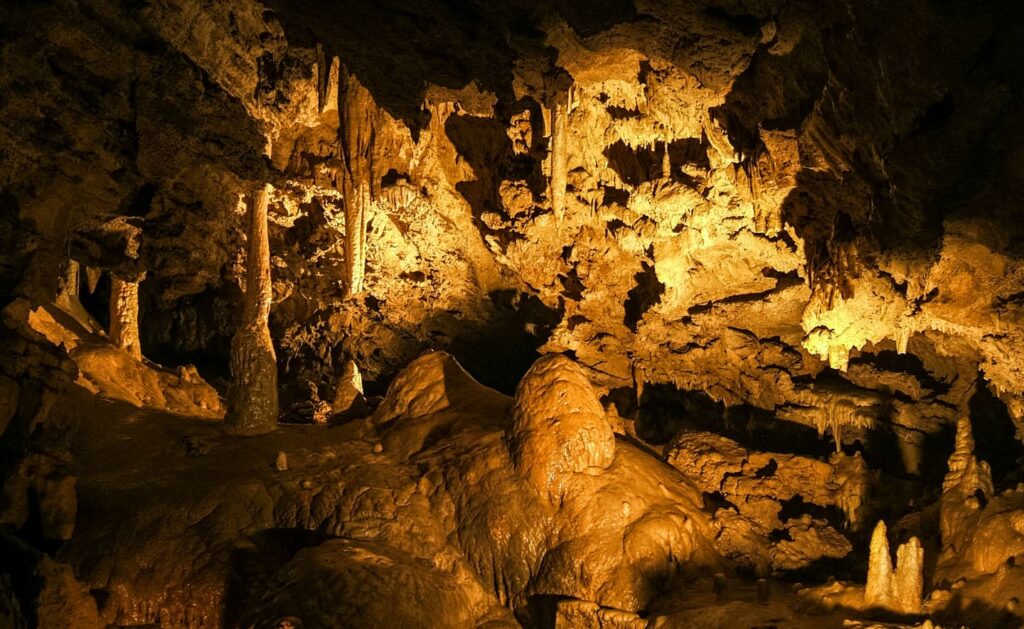
SCA crews have supported cave-area restoration, trail work and historic preservation at Oregon Caves National Monument & Preserve. (Photo credit: National Park Service)
Hidden in the Siskiyou Mountains, Oregon Caves protects a rare marble cave system known as the “Marble Halls of Oregon.”
Joaquin Miller, known as the “Poet of the Sierras,” was instrumental in the preservation of the park’s caves, bringing national attention to the site after a 1907 article. His writings, along with efforts by local conservationists, were influential in President William Howard Taft’s 1909 declaration of Oregon Caves a National Monument.
Over the years, SCA crews have supported cave-area restoration, trail work and historic preservation helping protect both the underground world and the human-built gateway to it. Touring the caves feels like stepping into another realm.
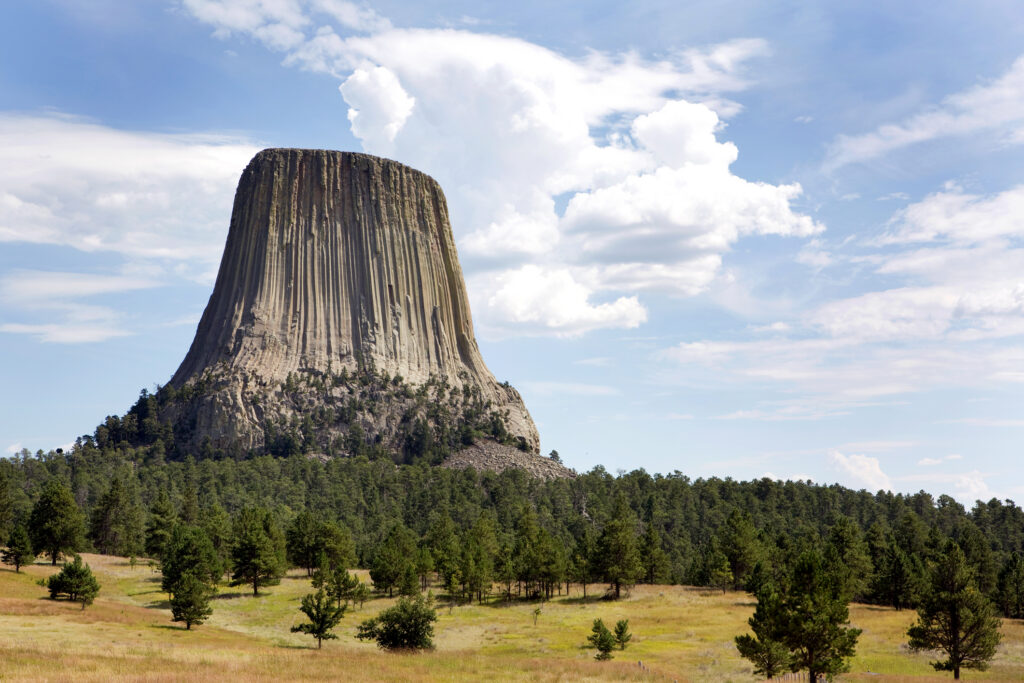
SCA crew members work alongside park rangers to help visitors appreciate, understand and appropriately enjoy Devils Tower National Monument and the Black Hills. (Photo Credit: Steven Frame)
Rising 1,267 feet above the Belle Fourche River, Devils Tower is a geological marvel of hexagonal columns formed from cooled magma. It was the first U.S. national monument, designated by President Theodore Roosevelt in 1906. It’s also a sacred place for many Tribal Nations, who call it Bear Lodge, Bear Tipi, Home of the Bear, Tree Rock and Great Gray Horn.
Trail maintenance and visitor education have been central to the SCA’s work here, helping protect both the natural formation and the cultural respect it deserves. Walk the Tower Trail and you’ll feel the gravity of a place that has anchored stories for centuries.
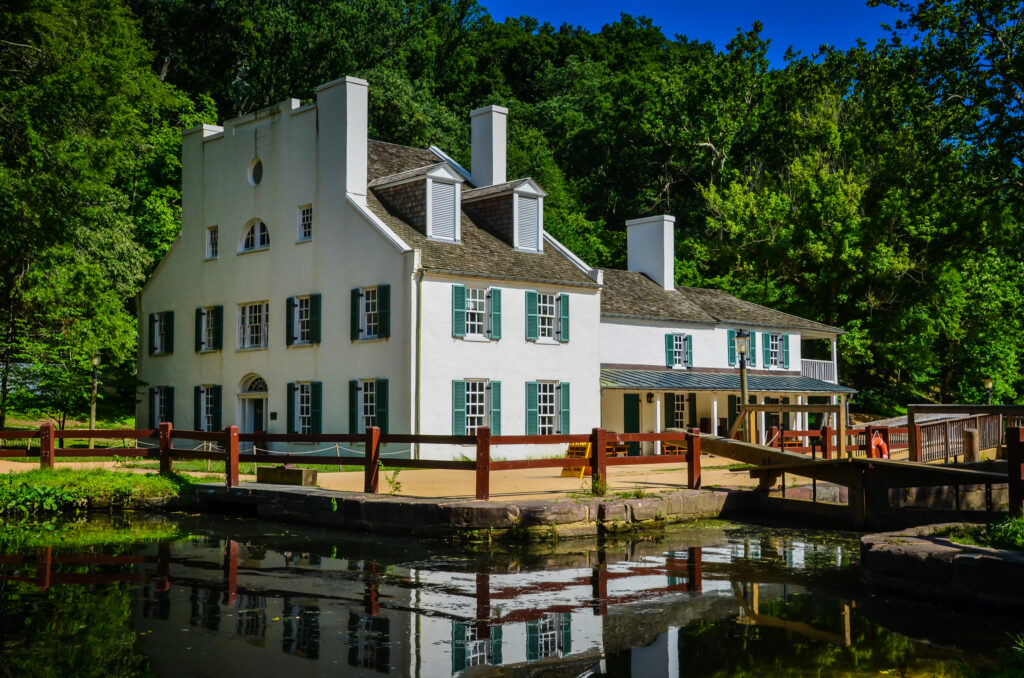
The historic C&O Canal National Historical Park Great Falls Tavern Visitor Center in Potomac, Maryland where visitors can get information about park programs, hiking trails and the history of the canal. (Photo Credit: Sandra Foyt)
Stretching 184.5 miles along the Potomac River, the C&O Canal is a living corridor of American history. History and nature merge here, originally providing jobs and opportunities in the 19th and 20th centuries for people from the tidal basin in Washington, D.C., to the mountains of western Maryland.
Millions of walkers, runners and cyclists have experienced this green ribbon through the Mid-Atlantic thanks in part to the work the SCA’s crews have completed to preserve historic structures and maintain long stretches of trail.
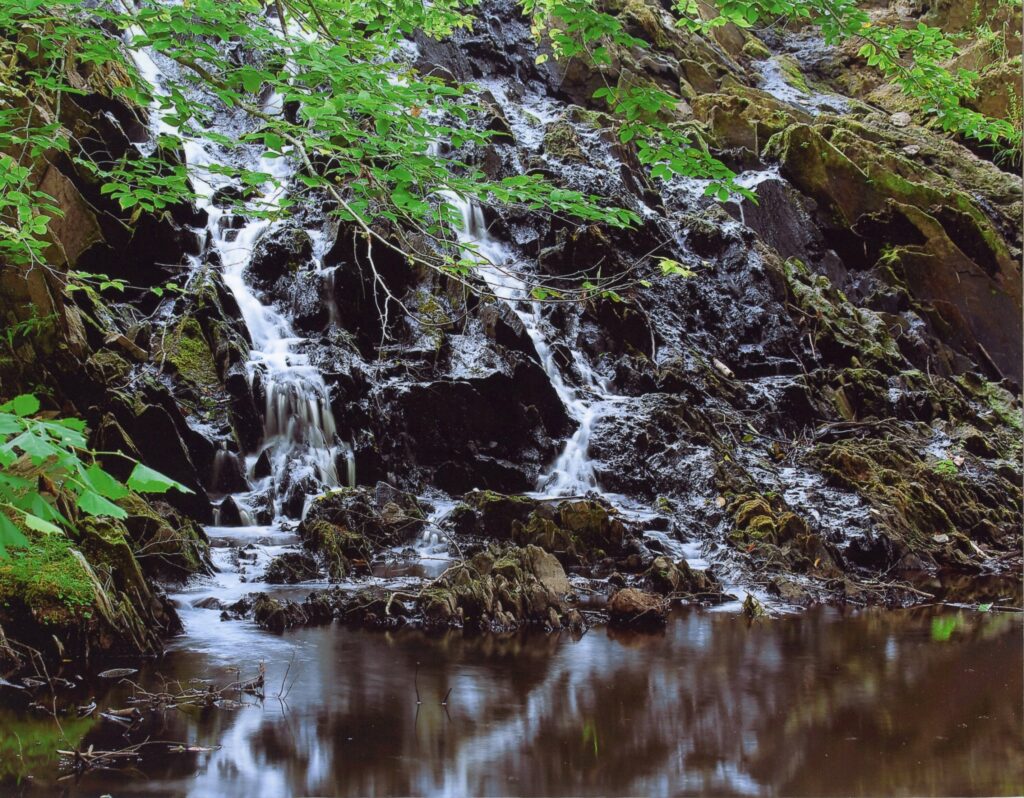
A small waterfall along the Quantico Falls Trail at Prince William Forest Park in northern Virgina. (Photo Credit: National Park Service)
Just outside Washington, D.C., lies the region’s largest protected natural area; truly a respite of quiet and calm in Northern Virginia. Across more than 15,000 acres, discover fragrant woods, trickling streams and history that dates back to the Great Depression.
Prince William Forest Park was built by the Civilian Conservation Corps (CCC), making it a natural fit for the SCA’s youth-driven conservation legacy. Crews have restored cabins, improved trails, and protected waterways that once hosted generations of children learning outdoors.
It’s a quiet park with a loud history, and a perfect place to reflect on how conservation connects past and future.

Former SCA Bay Area Urban Forestry Crew Member Jerahmiah Wills. (Photo Credit: James Martin)
These parks aren’t just beautiful; they’re places where young people have rolled up their sleeves to protect America’s natural and cultural treasures. Visiting them is a way to honor that work, to see it firsthand, and to feel inspired by what conservation can achieve.
If you believe in empowering the next generation of conservation leaders, consider supporting the SCA’s mission with a donation. Your gift helps ensure that more young people can protect the places that make our summers unforgettable.

Protect What You Love widget on website
"*" indicates required fields
